
The Daughter of Water: Inside the Many Lives of Bamby Salcedo
Meet Bamby Salcedo: CEO, activist, artist, athlete, and the multifaceted force behind TransLatin@ Coalition's 30-year fight for trans liberation.
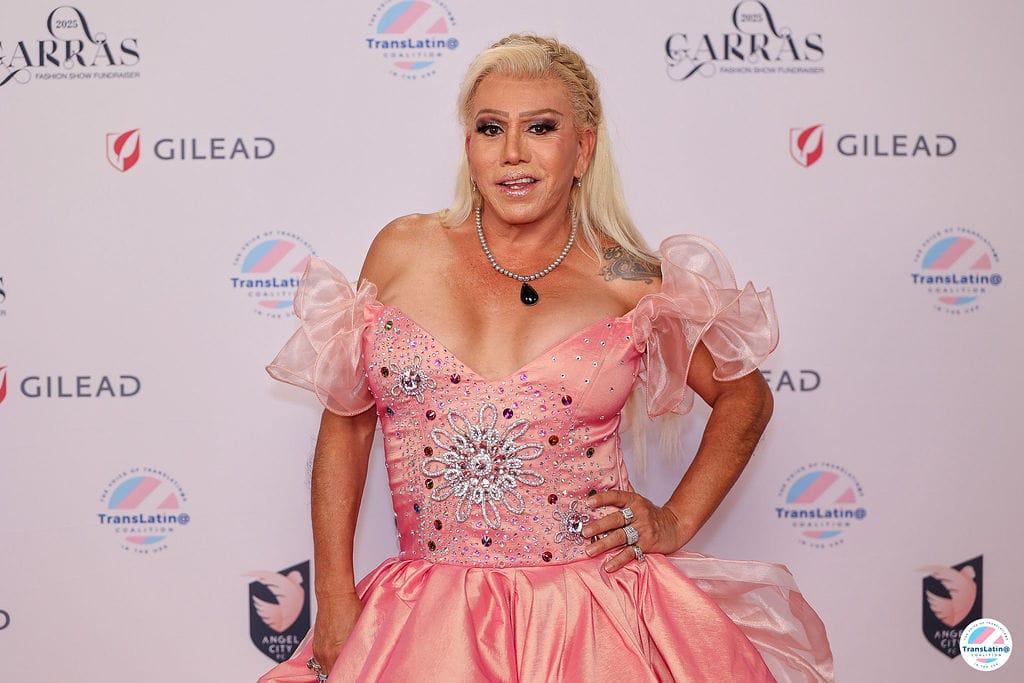
The TransLatin@ Coalition CEO gets personal and shares her story from prison handball to being one of the leaders of trans activism.
When Bamby Salcedo needs to escape, she doesn't go far. Sometimes it's her special spot in Griffith Park where she writes. Other times, it's along the Los Angeles River. And when she can, she heads to the beach—"I'm a daughter of the water," she explains during our Zoom chat—to reconnect with something larger than the constant demands of leading one of the most successful, yet targeted, trans organizations in the country.
But there's another unexpected place you might find her: at handball courts across Los Angeles, competing in a sport "primarily dominated by men," as she notes matter-of-factly. "I learned to play handball when I was in prison many years ago. I was really good. I'm still good. I can give a good competition."
Period.
This is Bamby Salcedo unfiltered. Not just the CEO of LA-based TransLatin@ Coalition (TLC). Not just the community advocate who's been organizing since landing in Los Angeles in 1987. But the artist, the athlete, the spiritual being, the friend. "I don't just do one thing," she says. "I do many things."
That handball origin story isn't just a fun fact. It's how Bamby the athlete shows up and moves through the world. She learned a male-dominated sport in one of the most restrictive environments imaginable, got really good at it, and now shows up at courts across the city ready to compete. It's the same energy she brings to everything else: showing up, bringing it, refusing to shrink.
"Los Angeles is home to me," she says of the city where she's built a life over nearly four decades. And she uses that home base intentionally, taking advantage of everything LA offers. "That's one of the things I love about this city. You can find anything and everything you want within driving distance. You can go to different places within an hour."
Nature, specifically, grounds her in ways that sustain the harder work. "Every time I have an opportunity, I go to the beach and get in the water," she shares. This isn't the luxurious type of self-care that's taken over social media feeds; it's the type of connection to self that feeds survival. And especially when you're navigating the kind of pressures Bamby faces daily, these moments of self-care—whether it's in nature or through hitting that handball across the court—become life-saving.
When I ask Bamby how she takes care of herself during times like these (aka a record-breaking era of legislative violence against the trans community), she doesn't start with self-care routines or wellness tips. She begins with spirit.
"I am a spiritual person, and my spirituality is one of the things that helps me to continue to be here for almost 30 years," she explains. "Just understanding that this is not the first time we've gone through these times, but also understanding that we need to continue to organize and mobilize and fight back."
But spirituality alone doesn't pay the bills or process the trauma. Bamby also creates. She recently wrote a song, "LA Cumbia Del Movimiento," in response to "the MAGAs in my own way," she laughs. "I want to not just say that and not take care of myself. This is a way for me to take care of myself."
Artist. Athlete. Spiritualist. Organizer. For Bamby, none of these identities exists in silos. "I do certain practices that feed my spirit and allow me to believe that I am okay and that I am a vessel of hope to many people. That's my focus: what can I contribute for all of us to continue to exist and move away from just surviving into thriving."
That multifaceted approach informs her leadership of one of the largest trans-led organizations in the country. What began as a grassroots collective in 2009 has matured into a full-scale institution. Here, service provision is violence prevention. TransLatin@ Coalition doesn't just do one thing; they have built an entire ecosystem of care that includes housing (like the historic Casa de Zulma), HIV prevention, legal aid, and reentry programs. Crucially, they pair this direct support with high-level policy work and narrative change, proving that you can feed the community while simultaneously fighting to change the laws that starve them.
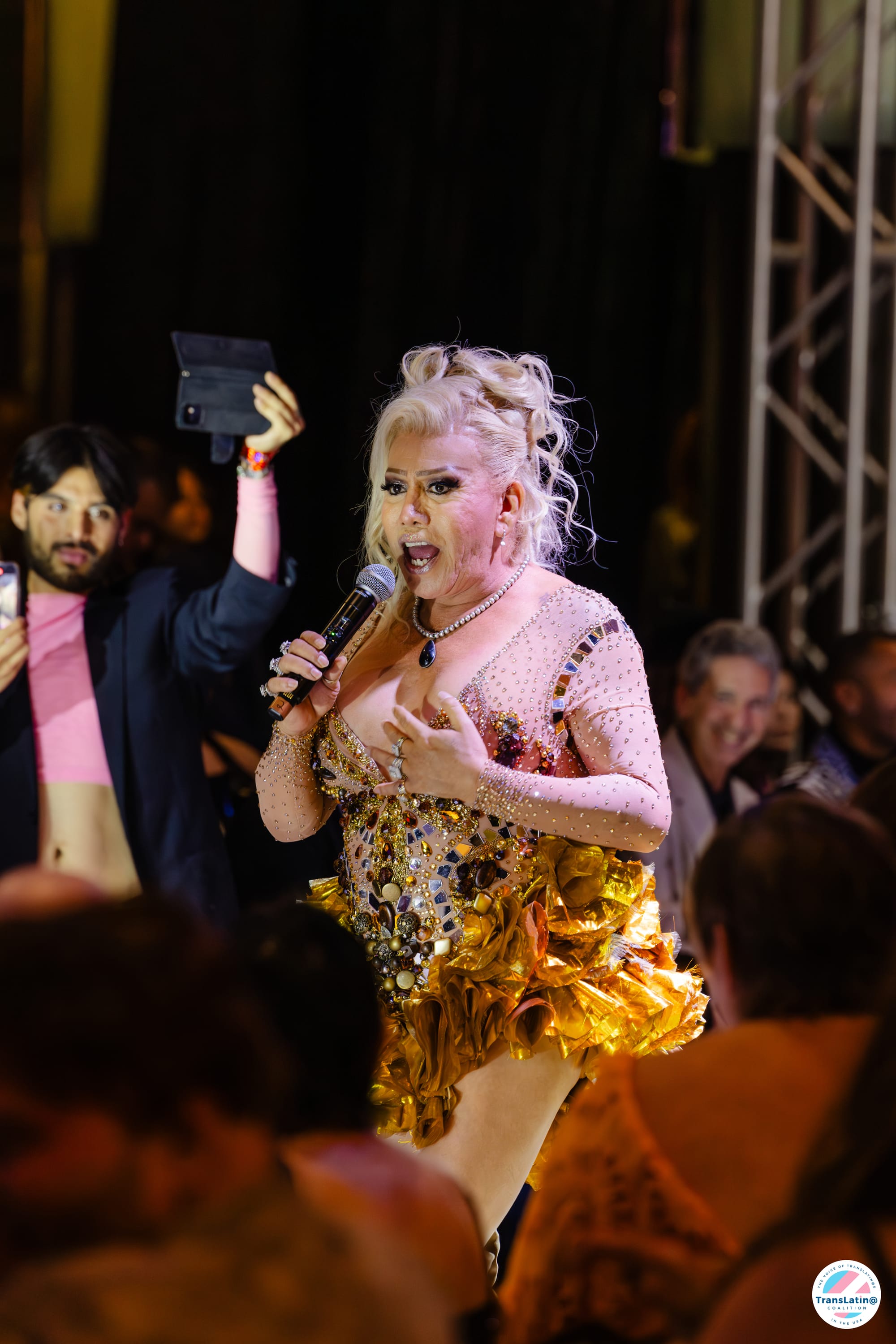
And then there's GARRAS, the annual fashion show now in its 11th year. The show is a fundraiser and stage for emerging trans and gender nonconforming fashion designers to present their collections. It's "a way to not just showcase our community, but also to assert our place in society," Bamby explains. "We want people to feel beautiful and empowered and amazing. To walk the runway and celebrate yourself."
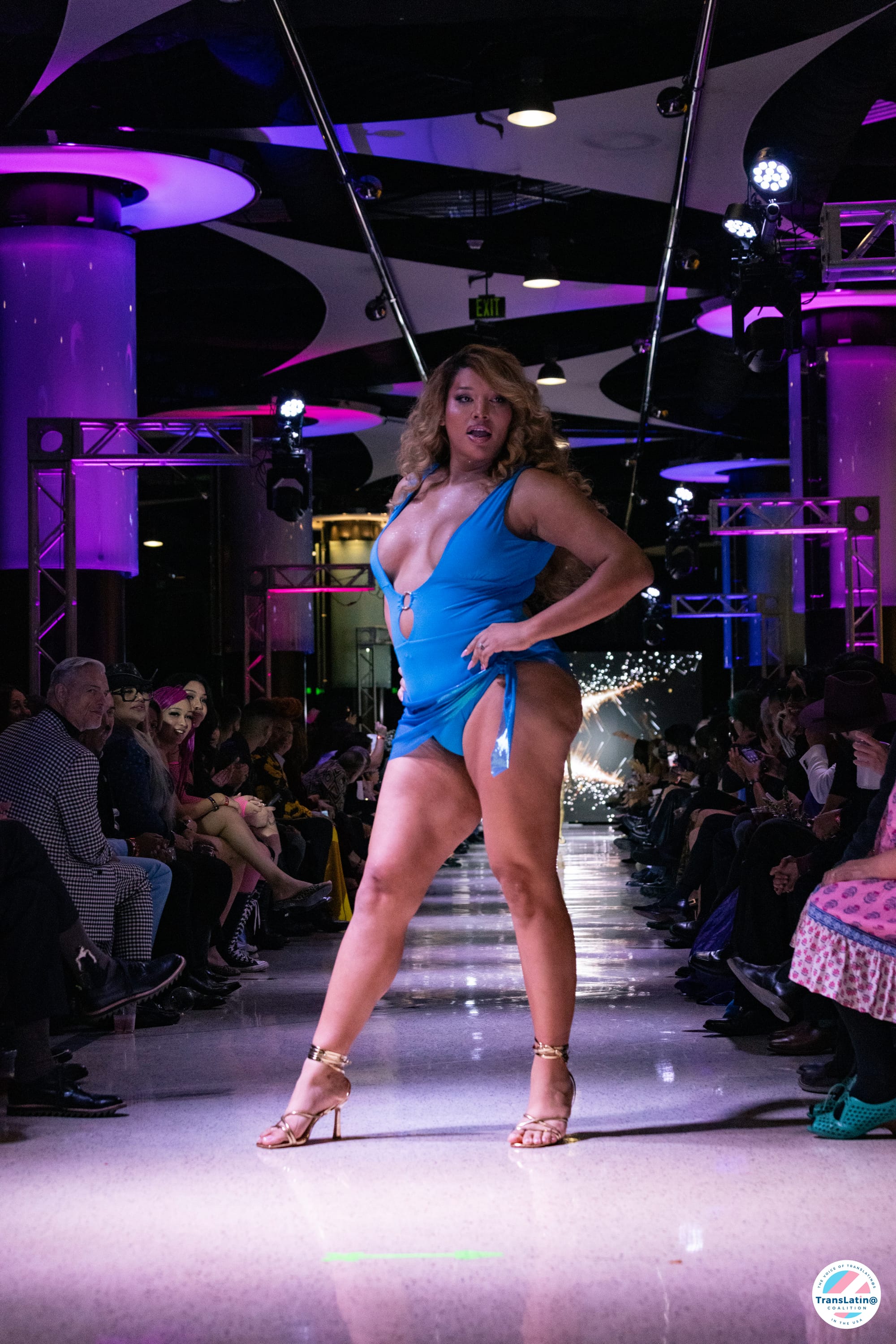
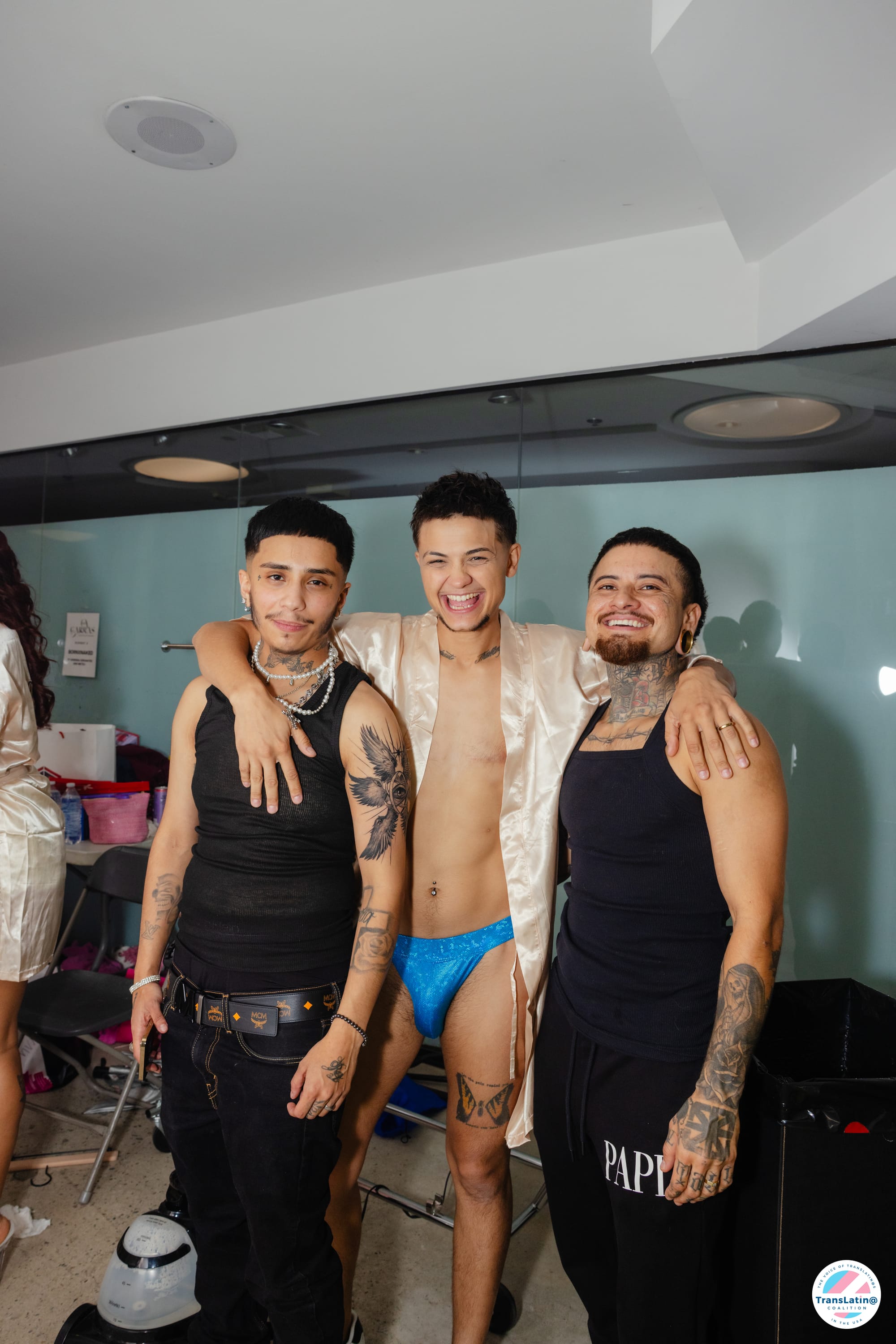
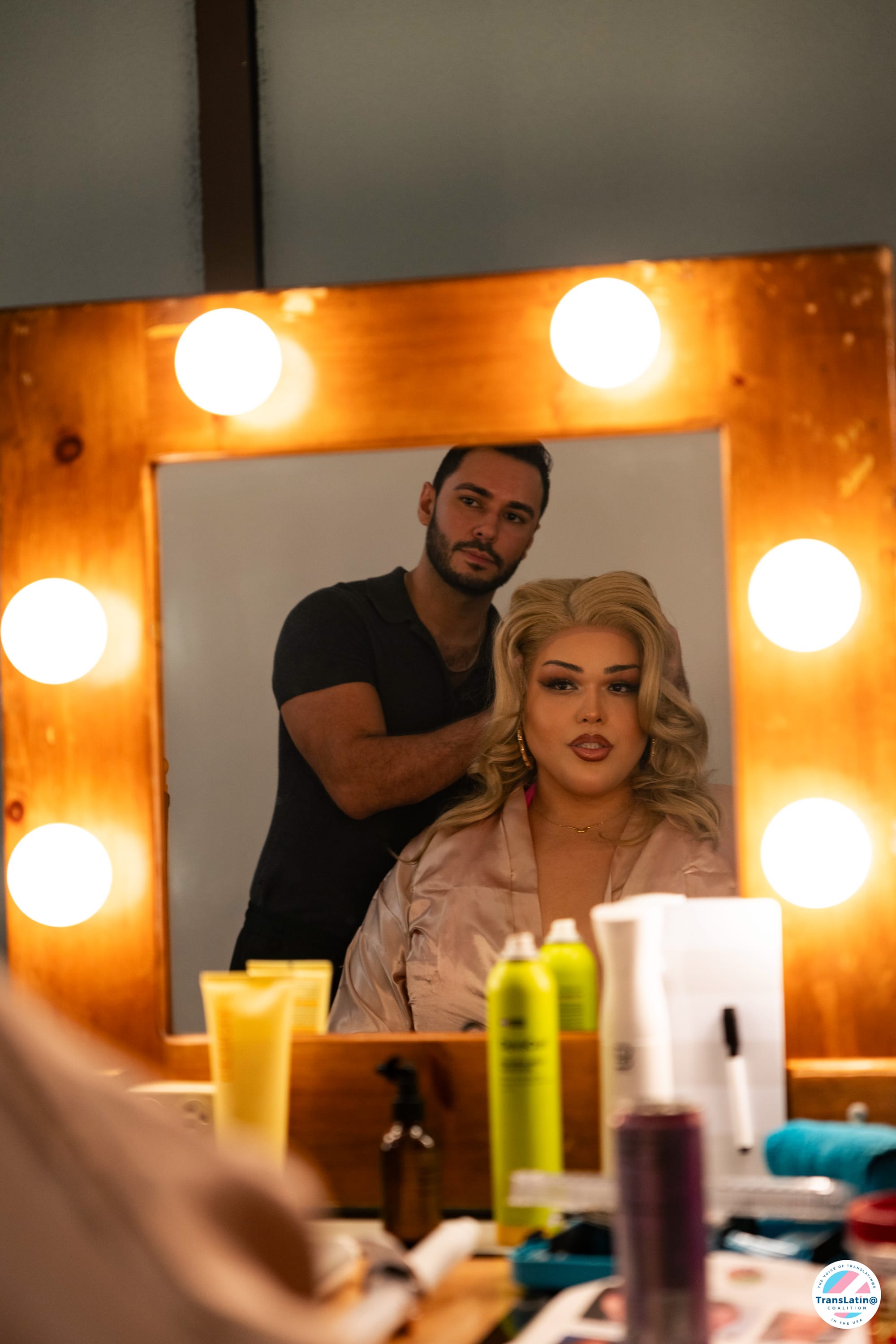
Vivi Fierce on the GARRAS runway, models backstage, Vivi Fierce getting glammed backstage for GARRAS 2025 (designed by Vanessa)
The funds that GARRAS raises help support the unglamorous essentials that government grants don't cover: phones for people who have nowhere to live, underwear, makeup beyond just foundation, grocery gift cards, and document translations for asylum applications that cost $3,000 for 50 pages. "Little things like that," Bamby says, though these "little things" are often the difference between surviving and not.
This year has been particularly brutal for the organization. Between March and July, TransLatin@ Coalition lost approximately $1.5 million in funding after being named twice in Congressional hearings, once in the judiciary committee and once in the oversight committee. They've been called a "radical organization" and accused of using federal money to "abolish the police and abolish ICE and provide abortion access."
"That's not true," Bamby states flatly. "We actually got a grant from the Violence Against Women Act—$200,000 per year for three years. That's $600,000, and obviously that is very specific to violence prevention work."
Despite the fake news, she sees a silver lining: "We must be doing something right for them to think we're a threat to what they're trying to do."
GARRAS itself emerged from Bamby's refusal to rank people. Eleven years ago (or more—she's not entirely sure), her "dear and beautiful and amazing sister" Maria Roman, a board member at the time and beauty pageant winner, wanted to fundraise for the then-volunteer organization. Her obvious choice was a beauty pageant.
But Bamby said no.
"I personally don't like beauty pageants. At the end of the day, the winner is 'better' than others, and for that reason I don't like it. I was like, let's just celebrate all of our people."
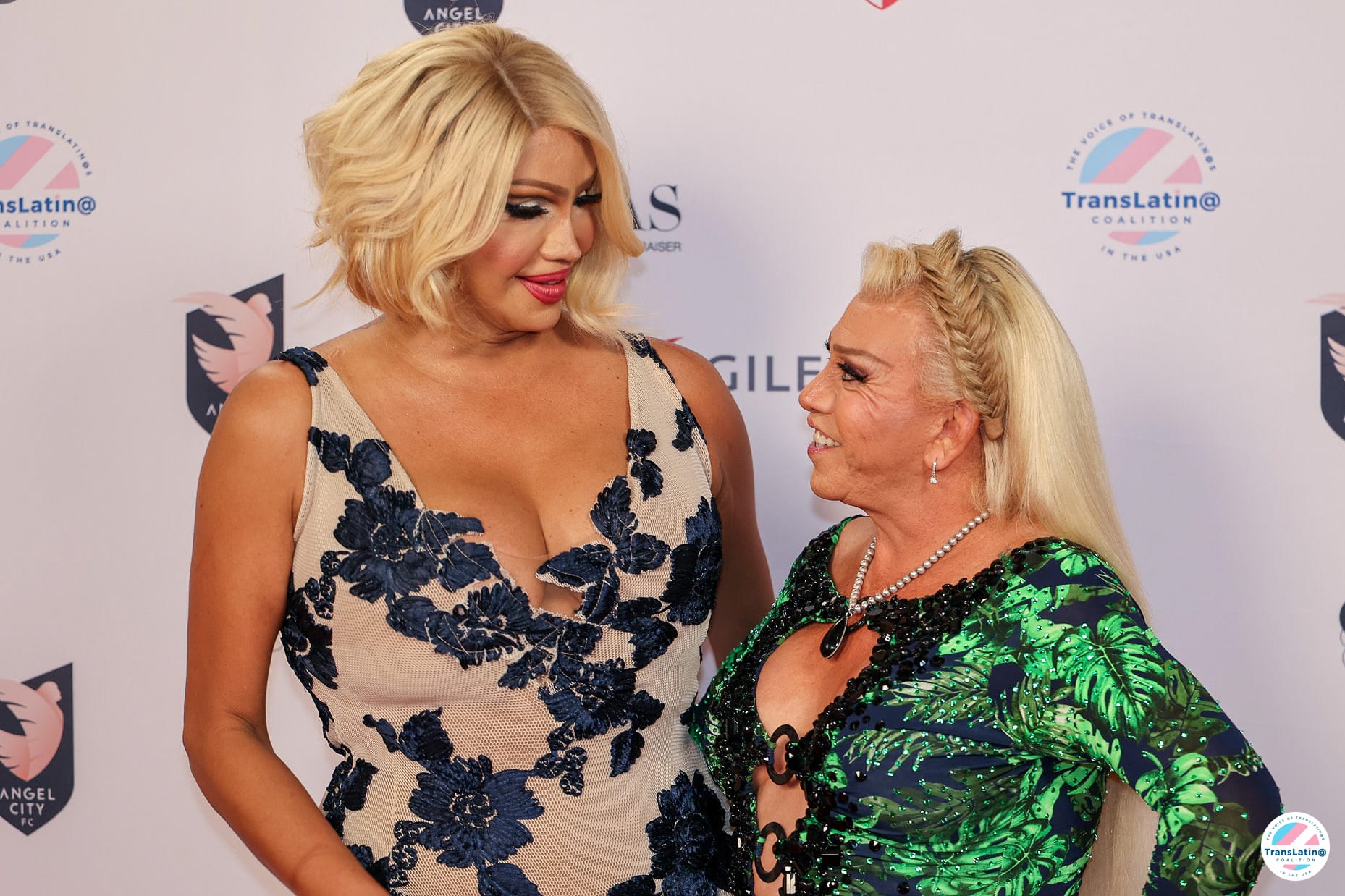
So they created a fashion show instead. The name GARRAS carries multiple meanings: in Spanish, it means ragged clothes. But it's also claws. And they made it an acronym: Groundbreaking Activism Redirecting and Reforming All Systems.
This year's show featured emerging designers like Vanessa Cervantes (from the first edition of The Girls Book: LA), whose bold swimwear collection celebrated body diversity and unapologetic femininity. Models like Vivi S Fierce (also from the first edition of The Girls Book: LA) commanded the runway with confidence, embodying the show's mission of making space for all bodies, all expressions, all people. Under purple stage lights and before a packed audience, each walk down that runway became an act of resistance, a living rejection of the narrow beauty standards that have historically excluded trans and gender nonconforming people from fashion spaces.
The timing matters too. TLC holds GARRAS the third week of November, right before Transgender Day of Remembrance (TDOR) at the end of the month. "Transgender Day of Remembrance is a sad day for our community, so we wanted to celebrate our community while we're still here and not when we're dead."
This year's TDOR carries extra weight following the passing of Miss Major. "She was like my big sister," Bamby says, recalling years spent strategizing and organizing by her side. While Major taught her fearlessness—"she showed me not to be afraid of being who I am"—it is the intimacy Bamby mourns most. Her voice softens: "I treasure the lessons, but the most important thing is that I was able to hug her, share space with her, and support one another throughout the years."
As the political landscape grows more hostile, Bamby remains focused on local and state-level wins. This year, they passed Assembly Bill 1487, which allocates $50 million to support trans-led organizations across California. In Los Angeles, the TGEI initiative allocated $7 million locally. "I will continue to do this until my last breath," she says.
Her message to the community is clear: "We need to continue to organize and mobilize and fight back in whatever way possible. We need to continue to learn and understand how systems work and the legal system as well so that we can fight strategically."
And to those watching from the sidelines, particularly the private sector, she has a direct challenge: "This is a time for people to step up and not turn their backs on us. What we're seeing is that people are very easily bending the knee, just giving up, being complacent with things that are happening that in many cases are illegal or unconstitutional. We want our community to make sure we continue to fight."
But even as she issues these calls to action, Bamby holds space for hope: "We also need to understand that we will get through this, that this is not going to be forever. As long as we continue to do the best we can to exist and to assert ourselves within our society, we'll be okay."
After all, she's been here before. She's been here for almost 30 years. And she's still bringing it on the handball court, in the halls of Congress, at the beach, and everywhere in between.
Because Bamby Salcedo doesn't just do one thing. She does many things. And that's exactly what this country needs.
The 11th annual GARRA Fashion Show took place on November 15th. For more information about TransLatin@ Coalition's work, visit translatinacoalition.org.